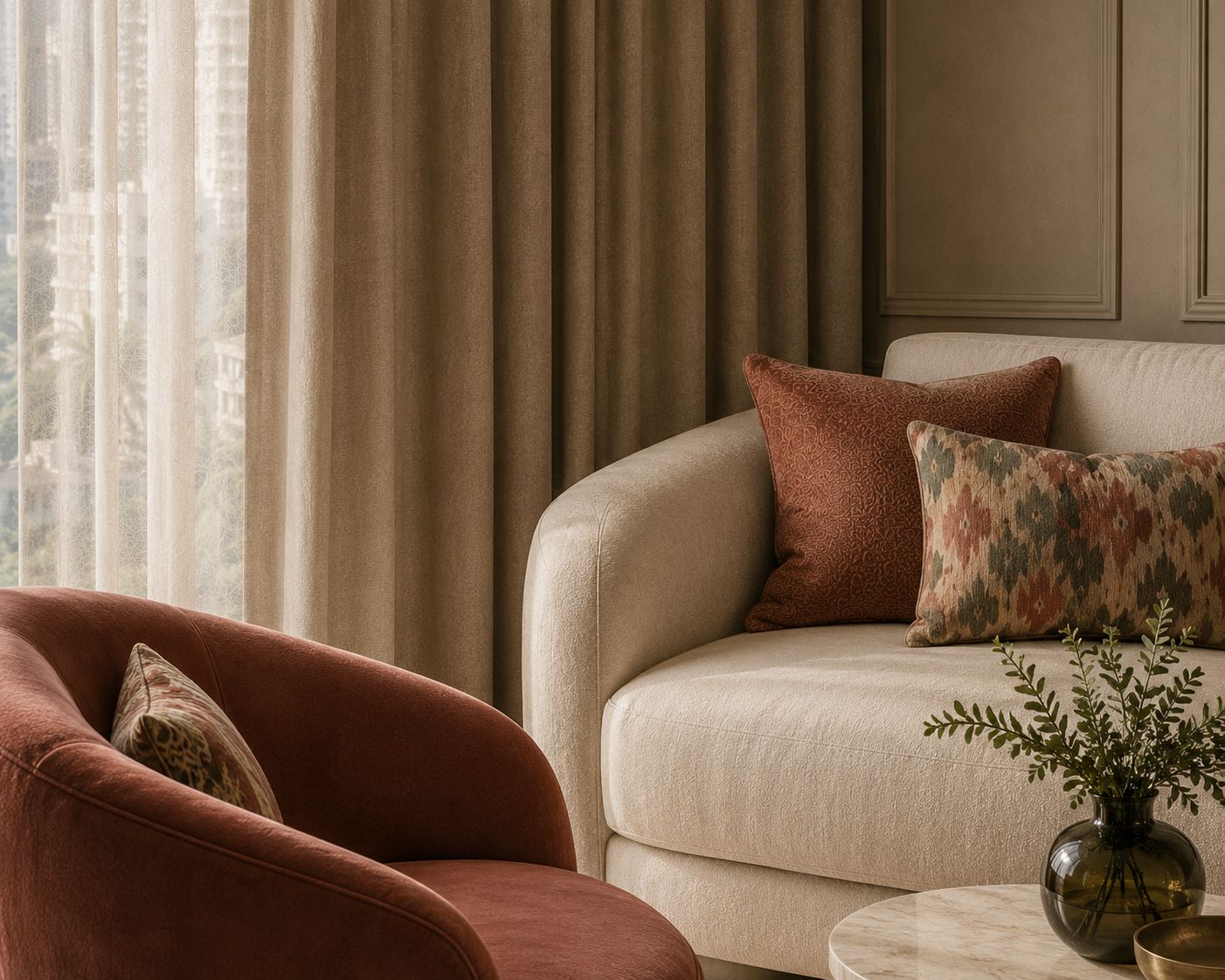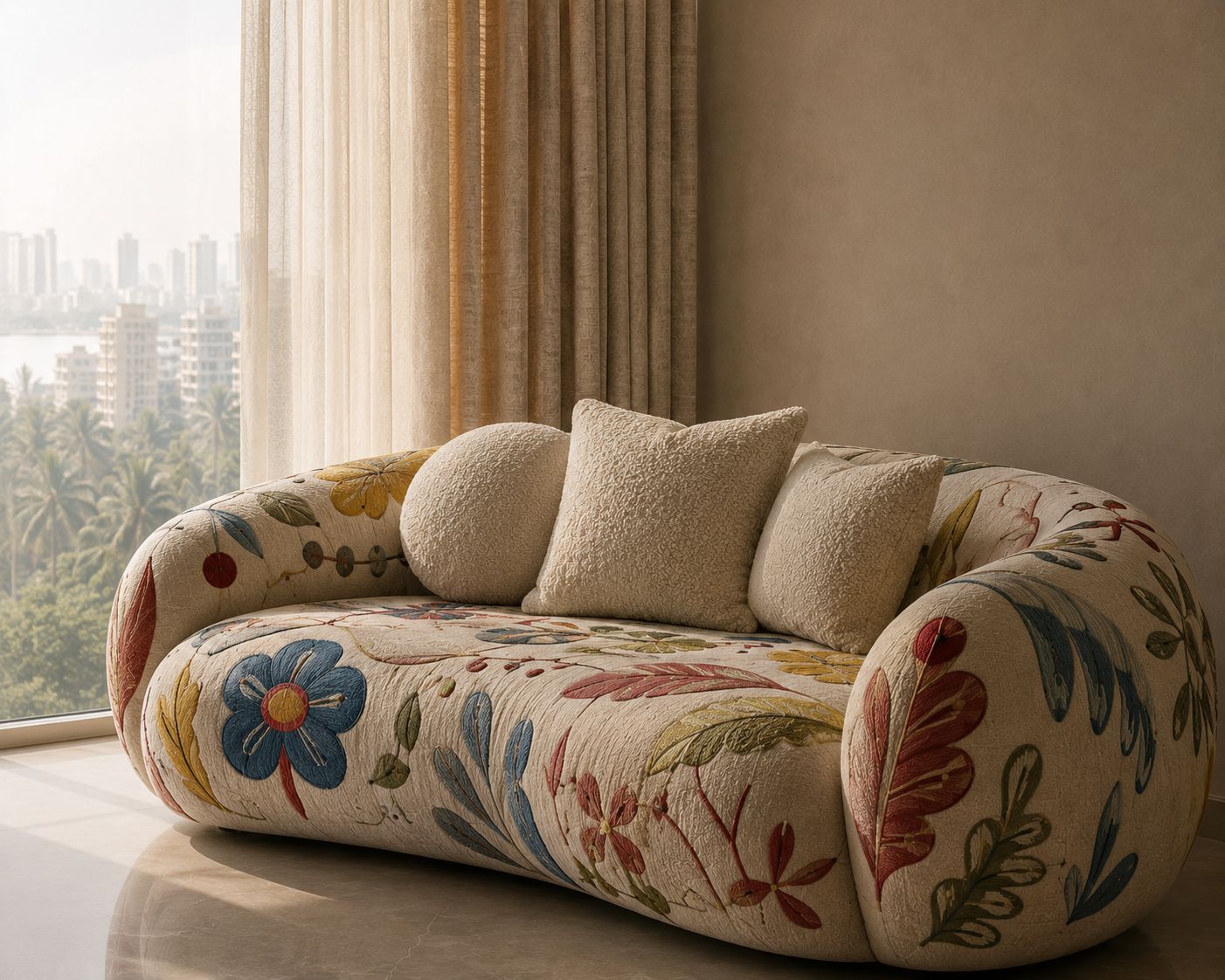
When we design a space, the textiles are often selected last—an afterthought to the architecture and hard materials. But we believe the fabric is what actually makes a room habitable. It is the layer that directly touches the skin, the element that acoustic waves bounce against, and the surface that catches the afternoon light.
The Return to Warmth
For the better part of the last decade, interior palettes were dominated by cool greys and stark whites. Now, we are seeing a dramatic shift back toward warmth. Terracottas, muted golds, and deep ochres are returning to living spaces, bringing with them a sense of groundedness and earthiness.
"A warm tone isn't just a color choice; it's a physiological signal to the body to relax."
In our latest collection, we explored these tones using natural dyes derived from madder root and pomegranate rinds. The resulting textiles have a living quality to them—they subtly shift in appearance throughout the day as the sunlight changes.
Incorporating these fabrics doesn't mean overwhelming a room. A single upholstered armchair in a rich rust tone, or heavy drapery in a soft sand hue, can completely alter the emotional temperature of an otherwise minimalist concrete and glass structure.